


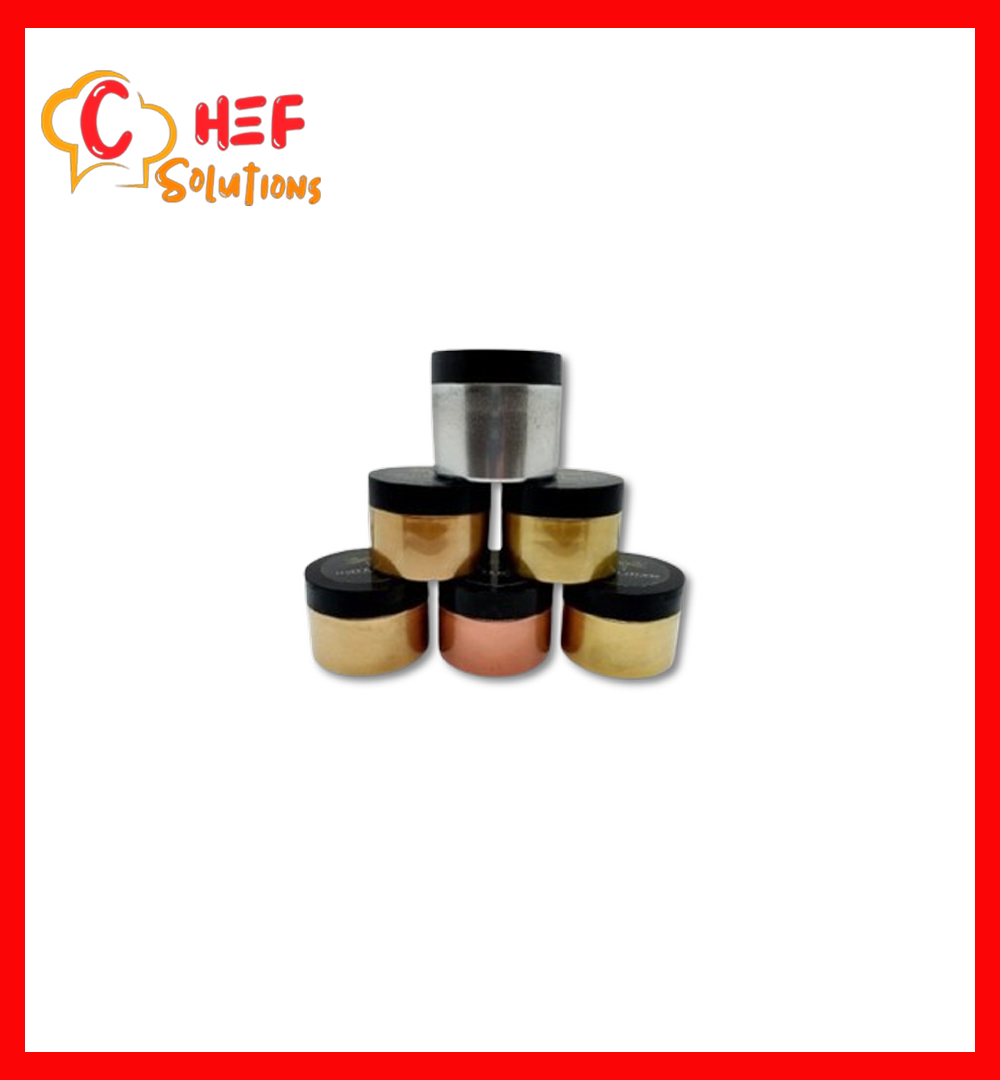
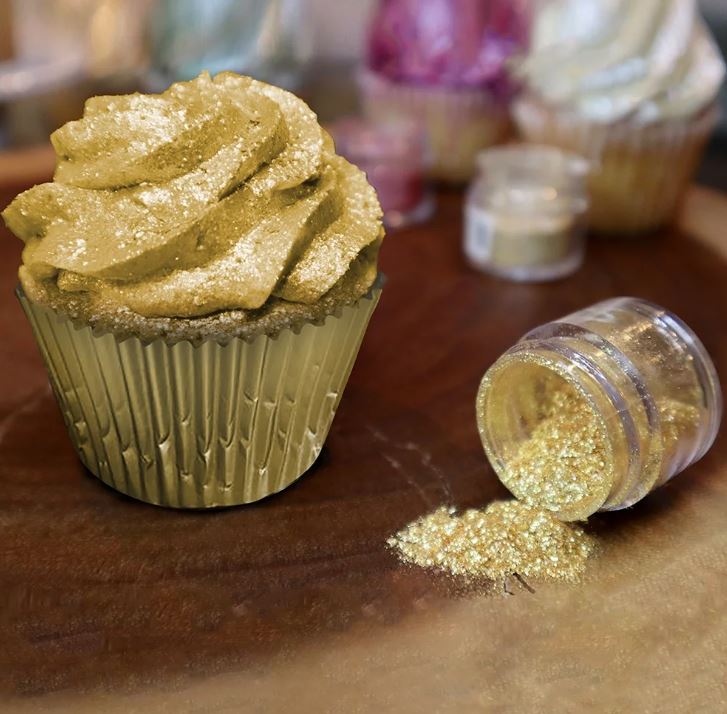
- Decorative Applications:
- Dusting and Sprinkling:
Edible dust can be sprinkled directly onto cakes, cupcakes, cookies, and other edible items to create a shimmering effect.
- Painting:
When mixed with a suitable liquid like rose water spirit, lemon juice, or white vinegar, the dust can be used as a paint for intricate designs on fondant, gum paste, and other edible decorations.
- Dry Brushing:
Edible dust can be dry brushed onto edible items like chocolate, sugar craft items, or fondant to add a metallic shine without being overly wet, as explained by Bake Group.
- Specific Examples:
- Cakes:
Edible dust is often used to add a touch of glamour to cakes, especially for birthdays and special occasions.
- Fondant Decorations:
Dust can be used to paint intricate designs, highlight details, and add a metallic finish to fondant decorations like flowers, borders, and other embellishments.
- Cookies and Cupcakes:
Dusting or painting with edible dust can elevate the appearance of cookies and cupcakes, making them visually appealing.
- Other Edible Items:
Edible dust can be used to decorate a variety of food items, including chocolate, isomalt, and edible laces.
- Considerations:
- Safety:
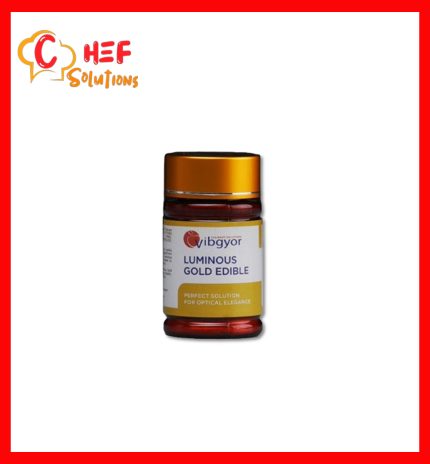
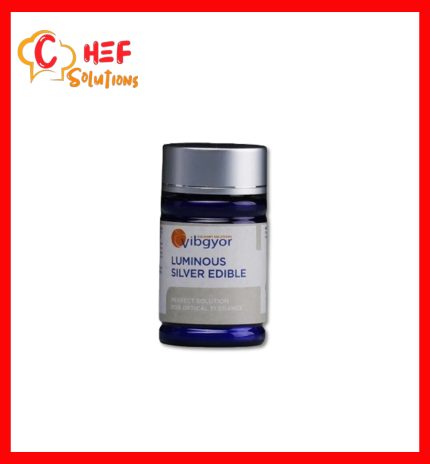
Edible gold and silver dust are made from food-grade ingredients and are generally safe for consumption.
- Allergens:
Ensure that the specific product you choose does not contain any allergens that may be a concern for your target audience.
- Taste and Aroma:
Edible gold and silver dust are typically tasteless and odorless, ensuring that they don’t affect the flavor or aroma of the food they are used on.



Reviews
There are no reviews yet.